
How the stories we tell shape workplace culture.


Resilience Is Best Played as a Team Sport
How deep’s your bench?
Engagement Is Everything
Numbers don’t lie.


What Hiring Committees Can Learn from the NFL Draft
Professor Steven Whiting of the University of Florida and Professor Timothy Maynes of the University of Buffalo wanted to know if organizational citizenship correlates with performance. And if so, should it be a factor when considering a job applicant?
What Gets You Up in the Morning?
Optimism and an eagerness to seize opportunities can be a far more useful source of executive inspiration than fear. “If jobs don’t give people the opportunity to fulfill these basic needs, many employees will leave — and the best are often the first to go.”
Meritocracy without the Numbers
The move away from rigid performance reviews is an encouraging trend that began in Silicon Valley. However, no consensus has emerged as to what should replace it. The biggest concern appears to be that any new system will make the existing organization less meritocratic.
How to Create Meaning at Work When the Outcome Isn’t Always Meaningful
Author Tammy Erickson has written that for many millennials “meaning is the new money.” Given that today’s workplace is demanding and competitive, it isn’t surprising. But is it that simple? Is it meaning or engagement that millennials seek?
The Three Habits of Highly Effective Demotivators
While some managers know how to motivate a team, others are best at stamping out morale and getting the least out of their employees. After interviewing several employees of a education startup lead by an A-1 demotivator, I’ve compiled a list three tried and true tactics to suck the energy and life out of staff.

The Dance of Power
Is leadership an art or a science? The question has long been subject to debate. Which side you’re on probably determines whether or not you believe leadership can be taught. But for developing leaders who can respond to the challenges of today’s 24/7 business environment, perhaps the art-versus-science dichotomy is too theoretical to be of use.
Masters of the Breakthrough Moment
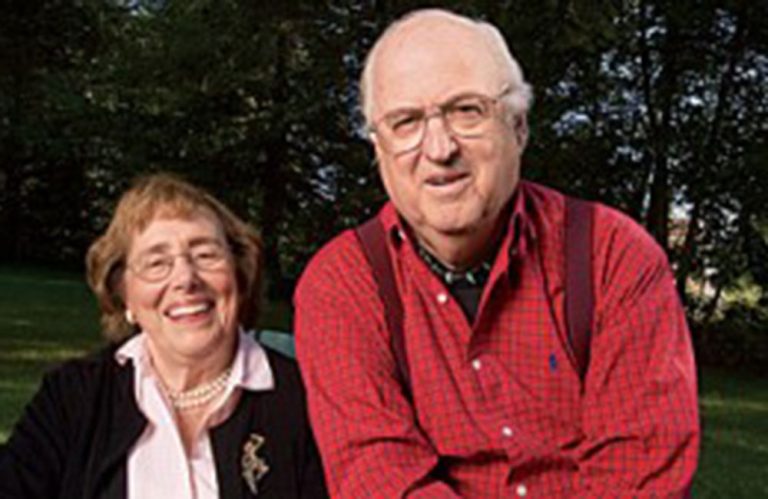
In a conference room in Columbia, Md., 78-year-old Edith Seashore sits among 24 young men and women, about half of them U.S. Navy officers or civilian employees working for the Navy. The group, seated in a circle, has come together for a course called “Working with Differences.” Ostensibly focused on diversity, the session is really set up to teach people how to confront the unspoken conflicts, fears, and resentments that make life in organizations painful and unproductive. And as if on cue, right off the bat, two of the participants have gotten into a dispute.